
What is ASMR? The Complete Guide to Understanding Autonomous Sensory Meridian Response
🧑⚕️ Author Bio
Dr. Emily Parker is a clinical psychologist specializing in relaxation therapies and sensory experiences. With over 15 years of research into stress relief techniques, she has become a leading voice in understanding ASMR and its therapeutic potential.
🧭 Introduction
Have you ever felt a pleasant tingling sensation traveling down your spine while listening to someone whisper or watching gentle hand movements? That euphoric feeling has a name: ASMR. In this comprehensive guide, I'll explain exactly what ASMR is, why it happens, who experiences it, and how you can benefit from this fascinating phenomenon that has captivated millions worldwide.
📑 Table of Contents
What is ASMR? The Complete Guide to Autonomous Sensory Meridian Response
If you've stumbled upon videos of people whispering, tapping on objects, or making gentle sounds and wondered what the fascination is all about, you're in the right place. ASMR has exploded in popularity over the past decade, with millions of people turning to ASMR content for relaxation, sleep, and stress relief.
What is ASMR?
ASMR (Autonomous Sensory Meridian Response) is a physical sensation characterized by a pleasurable tingling that typically begins on the scalp and moves down the back of the neck and spine. This relaxing, sometimes euphoric feeling is triggered by specific auditory, visual, or tactile stimuli.
Think of ASMR as a gentle, calming wave that washes over you when you encounter certain sounds or scenarios. It's often described as:
- A "brain massage"
- Pleasant tingles or shivers
- A deeply relaxed, almost meditative state
- A warm, fuzzy feeling of comfort
While not everyone experiences ASMR, those who do often find it incredibly soothing and beneficial for relaxation and sleep.
What Does ASMR Stand For?
ASMR stands for Autonomous Sensory Meridian Response:
- Autonomous: It happens spontaneously and involuntarily
- Sensory: It involves the senses (hearing, sight, touch)
- Meridian: Refers to the peak or climax of the sensation
- Response: It's a physical reaction to external stimuli
The term was coined in 2010 by Jennifer Allen, who created it to describe this phenomenon in a way that sounded more clinical and acceptable for discussion. Before this, people often described the sensation as "brain tingles" or simply didn't have words for what they experienced.
What Does ASMR Feel Like?
People describe ASMR sensations in various ways:
The Tingling Sensation
The most common description is a gentle tingling that starts at the crown of the head and cascades down the spine. Some people feel it spreading to their shoulders, arms, and even legs.
Deep Relaxation
Beyond the physical tingles, ASMR typically induces a profound sense of calm and relaxation. Many people compare it to the feeling of being about to fall asleep—that comfortable, drowsy state.
Emotional Comfort
ASMR often evokes feelings of safety, comfort, and being cared for. This is especially true with personal attention triggers like roleplay scenarios.
Focus and Clarity
Some people experience enhanced focus and mental clarity during ASMR, making it useful for studying or working.
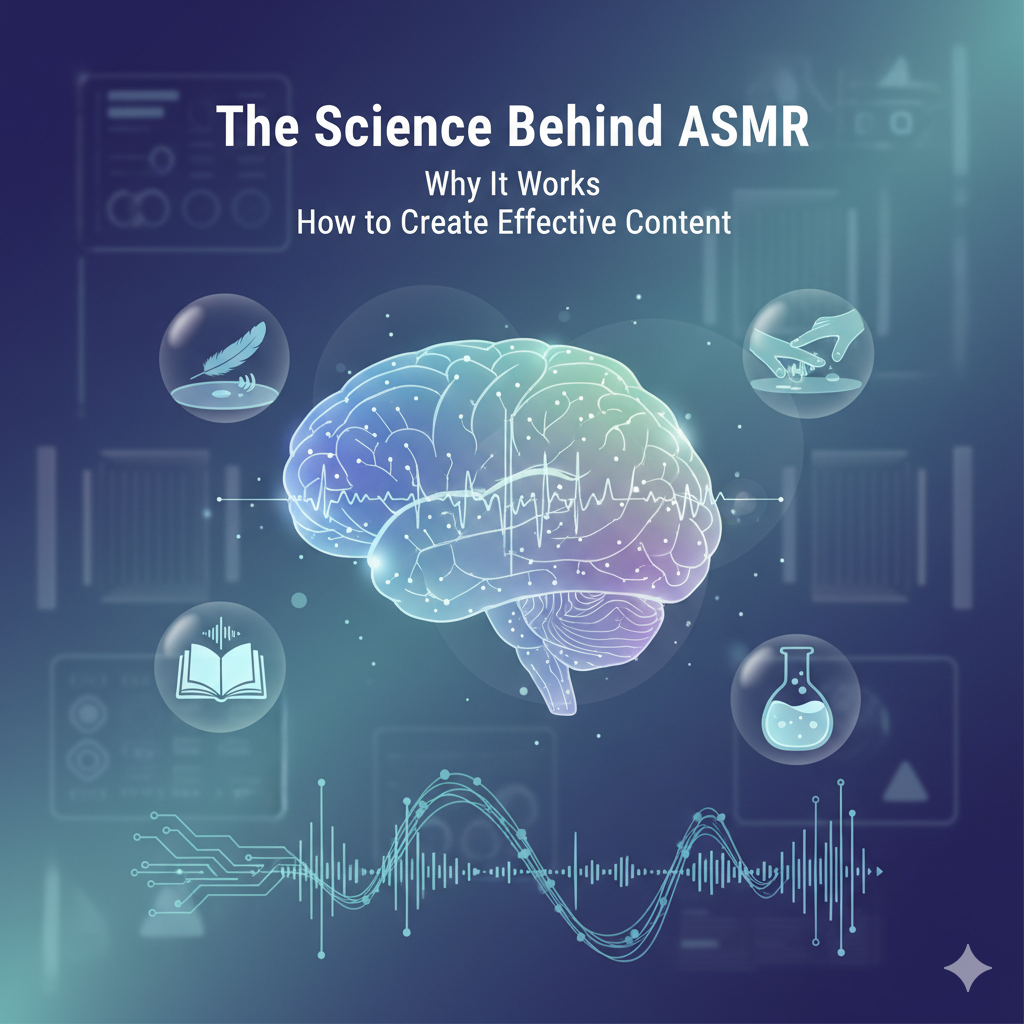
The Science Behind ASMR
While ASMR research is still relatively new, scientists have made significant discoveries about what happens in the brain during ASMR:
Brain Activity Studies
Research using fMRI scans has shown that ASMR activates regions of the brain associated with:
- Emotional arousal and social bonding
For a deep dive into the neuroscience, read our complete guide on what ASMR triggers in the brain.
- Reward processing (similar to music-induced frisson)
- Attention and self-awareness
A 2018 study published in PLOS ONE found that ASMR videos produced significant reductions in heart rate, indicating genuine physiological relaxation.
Neurochemical Response
During ASMR, the brain may release:
- Endorphins: Natural feel-good chemicals
- Dopamine: The reward neurotransmitter
- Oxytocin: The "bonding hormone" that creates feelings of trust and comfort
Connection to Synesthesia
Some researchers believe ASMR may be related to synesthesia—a condition where stimulation of one sense triggers automatic experiences in another sense. This could explain why certain sounds create physical sensations.
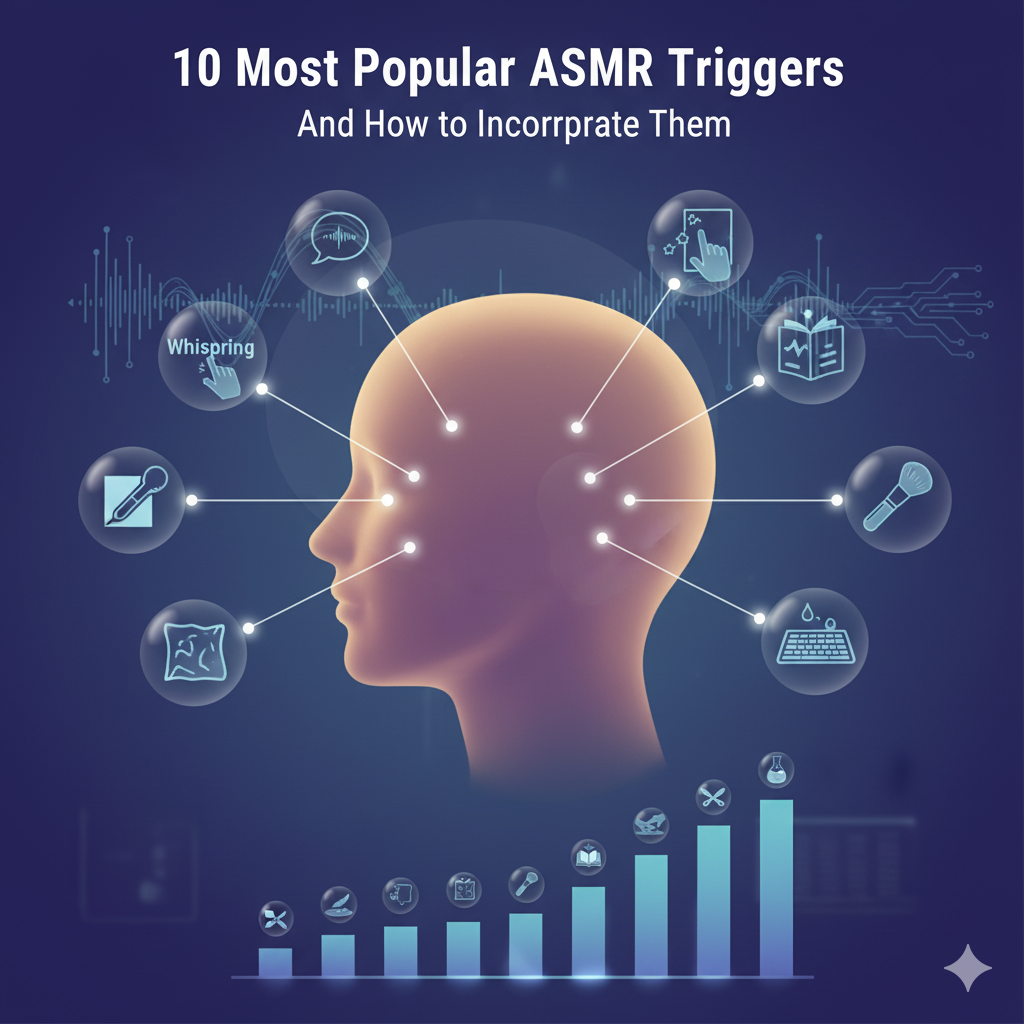
Common ASMR Triggers
ASMR triggers vary from person to person, but some are universally popular:
Auditory Triggers
- Whispering: Soft, gentle speech close to the microphone
- Tapping: Rhythmic tapping on various surfaces
- Scratching: Light scratching sounds on textured materials
- Crinkling: Paper, plastic, or fabric manipulation
- Mouth sounds: Lip smacking, eating sounds (mukbang)
- Typing: Keyboard clicks and mechanical sounds
- Water sounds: Pouring, dripping, or rain sounds
If you want to explore these in depth, check out our guide on 10 popular ASMR triggers.
Visual Triggers
- Slow, deliberate hand movements
- Light movements and patterns
- Gentle facial expressions
- Detailed close-up activities
Personal Attention Triggers
- Haircut or hair brushing simulations
- Makeup application roleplay
- Medical exam scenarios
- Spa treatment roleplays
Tactile Triggers (In-Person)
- Light touch on skin
- Hair playing
- Massage
- Tracing patterns on the back
Who Experiences ASMR?
Not everyone experiences ASMR, and scientists are still studying why some people are more susceptible than others.
Personality Traits
Research suggests that people who experience ASMR tend to score higher on:
- Openness to experience: Curiosity and appreciation for new ideas
- Neuroticism: Tendency to experience anxiety (ASMR may serve as a coping mechanism)
- Empathy: Ability to understand and share others' feelings
Age and Demographics
ASMR experiencers come from all ages and backgrounds, though the phenomenon is particularly popular among:
- Young adults (18-35)
- People seeking natural relaxation methods
- Those with anxiety or insomnia
"ASMR Immunity"
Some people don't experience ASMR tingles at all. This doesn't mean something is wrong—brains are simply wired differently. However, even non-tinglers often find ASMR content relaxing.
Benefits of ASMR
People turn to ASMR for numerous benefits:
Sleep Aid
ASMR is one of the most popular natural sleep aids. The relaxation response it triggers helps:
- Slow racing thoughts
- Reduce physical tension
- Create a calming bedtime routine
Stress and Anxiety Relief
Studies show that ASMR can:
- Lower heart rate
- Reduce cortisol (stress hormone) levels
- Provide temporary relief from anxiety symptoms
Pain Management
Some chronic pain sufferers report that ASMR helps them manage discomfort by:
- Distracting from pain signals
- Promoting relaxation of tense muscles
- Releasing natural painkillers (endorphins)
Mood Enhancement
Regular ASMR viewing has been associated with:
- Improved mood
- Reduced feelings of depression
- Increased feelings of connection and comfort
Focus and Concentration
Ambient ASMR sounds can help with:
- Studying
- Working from home
- Creative projects
Learn more about the science behind ASMR and how it affects your brain during these activities.
How to Experience ASMR
If you've never experienced ASMR or want to enhance your experience, try these tips:
Finding Your Triggers
- Experiment: Try different types of ASMR content
- Use headphones: Binaural audio enhances the experience
- Find a quiet space: Minimize distractions
- Relax: Don't force it—let it happen naturally
Best Practices
- Dim the lights: Create a calm environment
- Get comfortable: Lie down or sit in a cozy position
- Start with popular triggers: Whispering and tapping are good entry points
- Be patient: It may take time to find what works for you
Where to Find ASMR Content
- YouTube (millions of ASMR videos available)
- Spotify and music streaming platforms
- Dedicated ASMR apps
- Or create your own using our free AI ASMR generator
ASMR and Mental Health
While ASMR is not a replacement for professional mental health treatment, it can be a valuable complementary tool:
As a Coping Strategy
Many people use ASMR to:
- Manage panic attacks
- Wind down after stressful days
- Combat loneliness
- Practice self-care
Important Considerations
- ASMR is not therapy but can support overall wellbeing
- If you're struggling with mental health issues, seek professional help
- ASMR works best as part of a broader self-care routine
Getting Started with ASMR Content
Interested in creating your own ASMR content? The ASMR creator community is welcoming and growing rapidly. Whether you want to become a traditional creator or an AI ASMRtist, there are paths for everyone. Check out our comprehensive ASMR creator guide to learn everything you need to know about building a successful ASMR channel. Want to know about the earning potential? Read our ASMR YouTuber income guide or learn how to build a successful ASMR YouTube channel.
For Beginners
You don't need expensive equipment to get started:
- Learn how to create ASMR videos with basic equipment
- Discover how to make ASMR AI videos without recording equipment
- Use our ASMR voice generator to create perfect whispers
AI-Powered ASMR Creation
Modern technology makes ASMR creation accessible to everyone:
- Generate realistic ASMR voices with our AI ASMR text-to-speech tool
- Create complete videos with our free AI ASMR generator
- Write engaging scripts with our ASMR script generator
For a comprehensive walkthrough, read our complete guide to AI ASMR generation.
Frequently Asked Questions
Is ASMR real or just placebo?
ASMR is real. Brain imaging studies have shown measurable changes in brain activity during ASMR experiences. While individual experiences vary, the phenomenon itself has been scientifically documented.
Is ASMR the same as frisson (music chills)?
While similar, ASMR and frisson are different. Frisson is the chills you get from powerful music and is typically more intense and brief. ASMR is usually gentler, longer-lasting, and triggered by different stimuli.
Can anyone experience ASMR?
Not everyone experiences the tingling sensation, but most people can benefit from the relaxing qualities of ASMR content even without tingles.
Is ASMR safe?
Yes, ASMR is completely safe. It's a natural response with no known negative side effects. However, if you experience headaches or discomfort, simply stop watching.
Why do some ASMR triggers feel uncomfortable?
ASMR trigger preferences are highly personal. What relaxes one person may irritate another. Misophonia (hatred of certain sounds) is essentially the opposite of ASMR.
How long has ASMR existed?
While the term was coined in 2010, the sensation has always existed. People have experienced ASMR throughout history—they just didn't have a name for it.
Can ASMR help with insomnia?
Many people report that ASMR helps them fall asleep faster and sleep more deeply. It's become one of the most popular natural sleep aids.
Is ASMR appropriate for children?
Most ASMR content is appropriate for all ages. However, parents should preview content as with any online media.
Conclusion
ASMR is a fascinating phenomenon that has helped millions of people relax, sleep better, and manage stress. Whether you're someone who experiences intense tingles or simply enjoys the calming qualities of soft sounds and gentle movements, ASMR offers something for everyone.
The key is to explore different triggers, find what resonates with you, and incorporate ASMR into your self-care routine. With the science backing its benefits and a vast library of content available, there's never been a better time to discover what ASMR can do for you.
Ready to dive deeper into the world of ASMR? Explore our guides on the science behind ASMR, discover popular ASMR triggers, learn how much ASMR YouTubers make, or start creating your own content with our free AI ASMR generator.
Have questions about ASMR? Join millions who have discovered this natural path to relaxation and better sleep.
👩💼 About the Author
🏢 About ASMRIFY
ASMRIFY is the leading platform for AI-powered ASMR content creation. We publish expert-reviewed articles about ASMR, relaxation techniques, and content creation best practices. Our editorial team consists of experienced ASMR creators, audio engineers, and technology specialists dedicated to providing accurate, helpful information to our community of creators and enthusiasts.
Similar Articles
AI ASMR on TikTok: The Complete Guide to Going Viral in 2026
How to create viral AI ASMR content on TikTok. Master the formats, posting strategies, and AI tools that top ASMR creators use to grow massive followings.
Getting Started with ASMR: The Complete Beginner's Guide for 2026
New to ASMR? Learn what ASMR is, how to discover your triggers, set up the perfect listening environment, and start creating your own ASMR content — even with zero experience.
10 Most Popular ASMR Triggers and Types: What They Are, Examples & How to Use Them
Discover the 10 most popular ASMR triggers and types ranked by viewer response. Learn common ASMR triggers and examples, the science behind why they work, and pro tips for using them.