
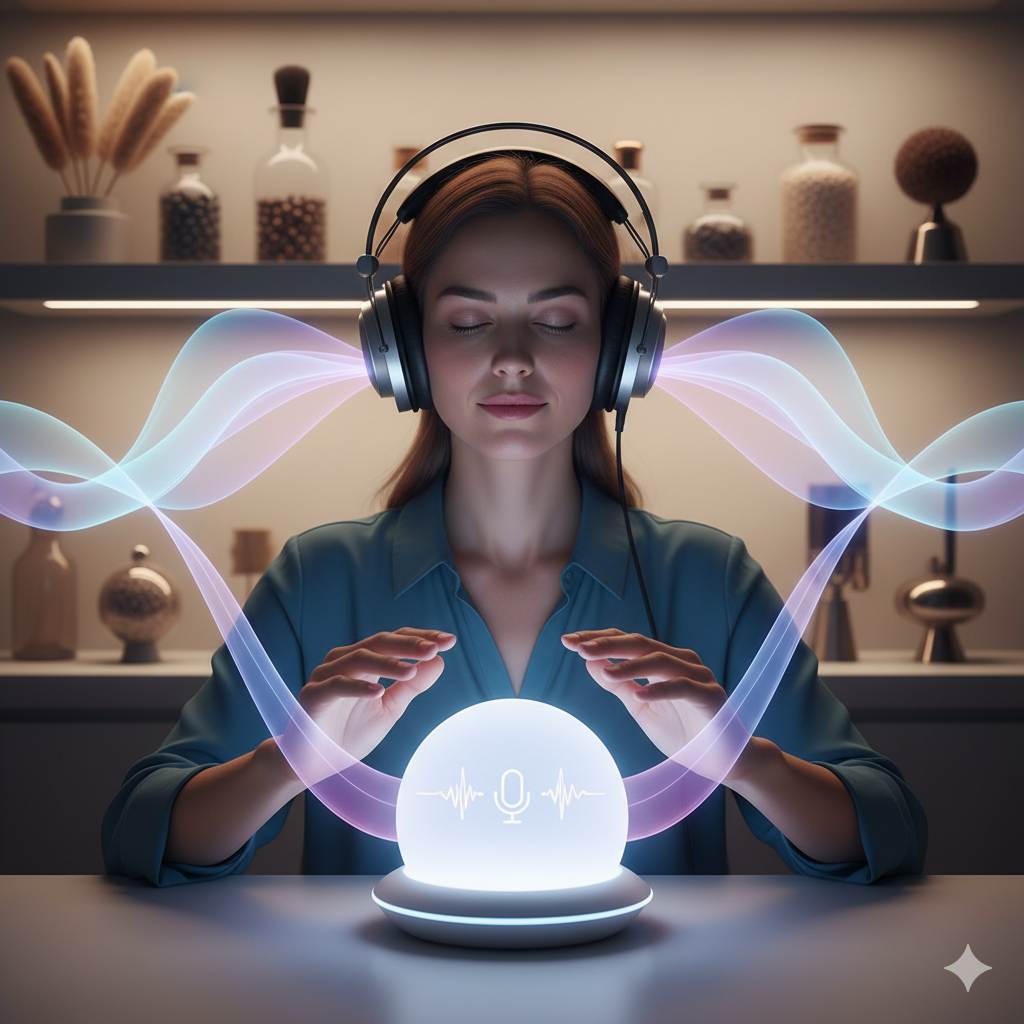
How to Create ASMR Videos: The Ultimate Step-by-Step Guide for 2026
🧑⚕️ Author Bio
Jessica Park is a professional ASMR content creator with over 800,000 subscribers on YouTube. She's been teaching ASMR video production for 4 years and has helped over 2,000 creators launch successful channels through her online courses.
🧭 Introduction
When I uploaded my first ASMR video in 2020, I made every mistake possible. Bad audio, poor lighting, distracting background noise—you name it. After years of learning and over 500 videos later, I've developed a systematic approach to creating ASMR videos that consistently perform well. In this guide, I'll share everything I've learned about how to create ASMR videos that your audience will love.
📑 Table of Contents
How to Create ASMR Videos: The Ultimate Step-by-Step Guide for 2026
Learning how to create ASMR videos is easier than ever in 2026. Whether you want to help people relax, build a YouTube channel, or turn your passion into income, this guide will walk you through every step of the process.
What Makes a Great ASMR Video?
Before diving into how to create ASMR videos, let's understand what separates good ASMR content from great ASMR content:
The Four Pillars of Quality ASMR
-
Crystal-Clear Audio
- ASMR is primarily an auditory experience
- Background noise ruins the immersion
- Crisp, detailed sound triggers stronger responses
-
Intentional Pacing
- Slow, deliberate movements
- Natural pauses between triggers
- No rushing or abrupt transitions
-
Visual Comfort
- Soft, warm lighting
- Uncluttered backgrounds
- Smooth camera movements (or static shots)
-
Authentic Presence
- Calm, relaxed energy
- Genuine intention to help viewers relax
- Consistent persona and style
When you master these four elements, you'll know how to create ASMR videos that truly resonate with audiences. If you're new to ASMR, start by understanding what ASMR is and how it works.
Essential Equipment for ASMR Videos
You don't need expensive gear to start, but investing in the right equipment makes a significant difference.
Microphones: The Most Important Investment
Your microphone choice determines 80% of your ASMR video quality.
Budget Options ($30-100)
| Microphone | Best For | Price |
|---|---|---|
| Blue Snowball | Beginners, whisper content | $50 |
| Fifine K669B | Budget-conscious creators | $30 |
| Samson Q2U | Versatile starter mic | $70 |
Mid-Range Options ($100-300)
| Microphone | Best For | Price |
|---|---|---|
| Blue Yeti X | All-around ASMR | $170 |
| Audio-Technica AT2020 | Studio-quality whispers | $100 |
| Rode NT-USB | Professional sound | $170 |
Professional Options ($300+)
| Microphone | Best For | Price |
|---|---|---|
| 3Dio Free Space | Binaural/ear-to-ear ASMR | $500+ |
| Rode NT1 + Interface | Studio-grade recordings | $350+ |
| Neumann TLM 102 | Broadcast quality | $700+ |
Camera Equipment
For video content, consider:
- Smartphone: Modern phones (iPhone 13+, Samsung S21+) shoot excellent video
- Entry DSLR/Mirrorless: Canon M50, Sony ZV-1 ($400-700)
- Professional: Sony A7 series, Canon R series ($1,500+)
Lighting
Soft, flattering light improves any ASMR video:
- Ring lights: $20-100, great for face-focused content
- Softbox lights: $50-200, professional look
- LED panels: $30-150, versatile positioning
Audio Accessories
- Pop filter: $10-30, essential for whisper content
- Shock mount: $20-50, eliminates handling noise
- Acoustic treatment: $50-300, reduces room echo
Setting Up Your Recording Space
A proper recording environment is crucial when learning how to create ASMR videos.
Choosing Your Location
Look for a space with:
- Minimal outside noise (away from traffic, HVAC)
- Soft surfaces (carpet, curtains, furniture)
- Controllable lighting (blinds or blackout options)
- Enough room to set up equipment comfortably
Acoustic Treatment
You don't need a professional studio. Simple solutions:
- Hang blankets on walls behind and beside you
- Add rugs or carpets to hard floors
- Use foam panels on reflection points ($30-100)
- Record in a closet full of clothes (seriously, it works!)
- Position away from walls to reduce reflections
The Recording Setup Checklist
Before every recording session:
- Phone on silent/airplane mode
- Pets secured in another room
- HVAC turned off temporarily
- Refrigerator unplugged (if audible)
- "Recording in Progress" sign on door
- Water nearby (whisper content dries your throat)
- All props and triggers within reach
How to Create ASMR Videos: Step-by-Step
Here's my proven process for creating ASMR videos from start to finish:
Step 1: Plan Your Content
Before recording, decide:
- Video type: Triggers, roleplay, no-talking, etc.
- Length: Short-form (1-3 min) or long-form (20-60+ min)
- Triggers to include: List specific sounds/actions
- Script or outline: Even loose notes help
Pro tip: Study trending ASMR videos in your niche. Note what works and adapt it to your style. For inspiration on the most effective triggers, check out our guide on 10 popular ASMR triggers.
Step 2: Prepare Your Equipment
Set up your recording space:
- Position your microphone 4-8 inches from your mouth for whispers
- Set up lighting at 45-degree angles to avoid harsh shadows
- Frame your camera with headroom and comfortable composition
- Do a test recording and listen with headphones
- Adjust levels so peaks don't clip (stay below -6dB)
Step 3: Warm Up
Before hitting record:
- Drink warm water (not cold—it constricts vocal cords)
- Do gentle mouth exercises
- Practice a few trigger sounds
- Take deep breaths to relax
- Get into your ASMR "headspace"
Step 4: Record Your Content
During recording:
- Move slowly and deliberately
- Speak softer than feels natural (it sounds louder on playback)
- Leave pauses between triggers (easier to edit)
- Record extra footage for safety
- Don't stop for small mistakes (edit them out later)
Step 5: Review and Organize
After recording:
- Listen through with headphones
- Note timestamps of good sections
- Identify any issues to fix in editing
- Organize files with clear naming conventions
Step 6: Edit Your Video
Editing workflow:
- Import footage into editing software
- Cut unwanted sections and mistakes
- Arrange clips in logical order
- Apply noise reduction if needed
- Normalize audio levels
- Add intro/outro if desired
- Export in appropriate format
Step 7: Optimize and Upload
Prepare for publishing:
- Write keyword-rich title and description
- Create an eye-catching thumbnail
- Add relevant tags
- Set appropriate category
- Schedule or publish
Types of ASMR Videos You Can Create
When learning how to create ASMR videos, explore different formats:
1. Trigger Compilations
Focus on specific sounds:
- Tapping on various surfaces
- Scratching different textures
- Crinkling paper, plastic, fabric
- Mouth sounds and eating
- Brushing and personal attention
Best for: Building initial audience, searchable content
2. Roleplay Videos
Create immersive scenarios:
- Spa treatments and massages
- Medical examinations
- Makeup and skincare
- Haircut and styling
- Receptionist/check-in scenarios
Best for: Loyal audiences, personal connection
3. Whisper Rambles
Soft-spoken conversational content:
- Life updates and stories
- Topic discussions
- Reading books or articles
- Q&A sessions
Best for: Building parasocial relationships
4. No-Talking ASMR
Pure sound experiences:
- Object manipulation
- Nature sounds
- Ambient soundscapes
- Typing and keyboard sounds
Best for: International audiences, background content
5. Sleep and Study Content
Extended relaxation videos:
- 30-minute to 3-hour sessions
- Looped triggers
- Gradual wind-down structure
Best for: Watch time, ad revenue, loyal subscribers
6. Short-Form ASMR
TikTok and YouTube Shorts:
- Quick trigger clips (15-60 seconds)
- Satisfying moments
- Trending sounds and formats
Best for: Discovery and viral growth
Recording Techniques for Different Triggers
Master these techniques to create professional-quality ASMR:
Whispering
- Position mic 2-4 inches from mouth
- Angle slightly off-axis to reduce plosives
- Use a pop filter for extra protection
- Speak from your diaphragm, not throat
- Practice consistent volume
Tapping
- Use fingernails and pads for variety
- Tap at consistent rhythm (60-120 BPM works well)
- Position mic close to the surface
- Experiment with different materials:
- Glass (bright, crisp)
- Wood (warm, organic)
- Plastic (hollow, resonant)
- Metal (metallic, sustained)
Scratching
- Long, slow strokes for sustained sound
- Vary pressure for dynamic range
- Try textured surfaces for complexity
- Keep nails maintained for consistent sound
Brushing
- Use various brush types (makeup, paint, hair)
- Brush slowly across microphone foam
- Create visual brushing for the camera
- Layer with other triggers for depth
Mouth Sounds
- Stay hydrated for wet sounds
- Use apple slices to enhance mouth sounds
- Position mic very close (1-2 inches)
- Be mindful of harsh consonants
Editing Your ASMR Videos
Post-production is where good recordings become great videos.
Recommended Editing Software
Free Options:
- DaVinci Resolve (professional-grade, free)
- Audacity (audio only)
- CapCut (beginner-friendly)
Paid Options:
- Adobe Premiere Pro ($22/month)
- Final Cut Pro ($299 one-time)
- Logic Pro (audio, $199)
Essential Editing Steps
1. Noise Reduction
Remove background hum and hiss:
- Use gentle settings (too aggressive sounds artificial)
- Sample noise from silent portions
- Apply consistently across the video
2. Audio Normalization
Ensure consistent volume:
- Target -14 to -16 LUFS for YouTube
- Leave headroom for dynamic triggers
- Avoid hard limiting that kills dynamics
3. Cutting and Pacing
Create flow:
- Remove mistakes and unwanted sounds
- Leave intentional silence between triggers
- Vary trigger length to maintain interest
- Build intensity gradually
4. Visual Enhancements
If applicable:
- Color correction for consistency
- Gentle skin smoothing (optional)
- Remove visual distractions
- Add subtle vignette for focus
5. Export Settings
For YouTube:
- Resolution: 1080p or 4K
- Frame rate: 24 or 30fps
- Audio: 320kbps AAC or higher
- Format: MP4 (H.264 or H.265)
Using AI Tools to Create ASMR Videos
Modern technology offers new ways to create ASMR content:
AI Voice Generation
Tools like ASMR voice generators allow you to:
- Create whisper content without recording
- Generate consistent audio quality
- Produce content in multiple languages
- Scale your content production
This is perfect for creators who:
- Don't have recording equipment
- Want to supplement their main content
- Need consistent output while traveling
- Prefer staying anonymous
AI Script Writing
ASMR script generators help with:
- Overcoming creative blocks
- Generating roleplay scenarios
- Creating video outlines
- Writing descriptions and titles
Complete AI ASMR Creation
Platforms like ASMRIFY enable:
- Full video generation from text prompts
- No equipment or experience required
- Quick iteration and experimentation
- Professional-quality output
Hybrid Approach
Many successful creators combine:
- Human-recorded content for personal connection
- AI-generated content for consistency and volume
- AI tools for editing and enhancement
This approach lets you learn how to create ASMR videos while leveraging technology to produce more content.
Optimizing for YouTube and TikTok
Creating great content isn't enough—you need people to find it.
YouTube Optimization
Titles
- Include "ASMR" at the beginning
- Add specific triggers mentioned
- Use brackets for emphasis [3 Hours] [No Talking]
- Keep under 60 characters
Examples:
- "ASMR Gentle Tapping for Sleep [No Talking]"
- "ASMR Spa Roleplay | Personal Attention & Whispers"
- "ASMR 100 Triggers in 10 Minutes"
Descriptions
- First 2 lines appear in search (make them count)
- Include timestamps for long videos
- Add relevant keywords naturally
- Link to related videos and social media
Thumbnails
- Use close-up shots or trigger imagery
- Include readable text (if any)
- Maintain consistent style/branding
- Test different styles and analyze performance
Tags
Include variations:
- Primary: "ASMR", "ASMR for sleep", "relaxing ASMR"
- Specific: "[trigger type] ASMR", "[roleplay type]"
- Long-tail: "ASMR for anxiety", "ASMR to fall asleep fast"
TikTok Optimization
Content Strategy
- Hook viewers in first 1-2 seconds
- Feature your best trigger immediately
- Use trending sounds when relevant
- Post consistently (1-3x daily for growth)
Hashtags
- #ASMR (required)
- #ASMRtiktok
- Trigger-specific tags
- Trending relevant hashtags
Cross-Promotion
- Tease long-form content on TikTok
- Direct viewers to YouTube for full videos
- Create TikTok-exclusive content too
Common Mistakes to Avoid
Learning how to create ASMR videos means knowing what NOT to do:
Audio Mistakes
❌ Recording in echoey rooms → Add acoustic treatment or record in soft spaces
❌ Microphone too far away → Position close for intimate sound
❌ Clipping and distortion → Monitor levels and leave headroom
❌ Inconsistent volume → Normalize audio in post-production
❌ Over-processing audio → Use subtle noise reduction only
Content Mistakes
❌ Rushing through triggers → Slow down significantly more than feels natural
❌ Too much variety in one video → Focus on 2-3 related triggers per video
❌ Ignoring video quality → Visual presentation matters for engagement
❌ Copying others exactly → Find your unique style and perspective
Channel Mistakes
❌ Inconsistent upload schedule → Set a realistic schedule and stick to it
❌ Ignoring analytics → Study what performs and why
❌ Not engaging with comments → Build community through interaction
❌ Giving up too early → Success takes 6-18 months minimum
Advanced Tips from Professional Creators
Take your content to the next level:
Layering Triggers
Combine multiple triggers for richness:
- Tapping + whispering
- Brushing + mouth sounds
- Ambient background + personal attention
Binaural Recording
Create immersive ear-to-ear experiences:
- Use dual microphones or binaural setup
- Pan sounds left and right
- Create movement across the stereo field
Series Content
Build loyal audiences with recurring formats:
- Weekly trigger series
- Ongoing roleplay storylines
- Seasonal content themes
Collaboration
Work with other creators:
- Dual ASMR videos
- Trigger swaps
- Shoutout exchanges
Diversify Platforms
Don't rely on one platform:
- YouTube for long-form
- TikTok for discovery
- Patreon for exclusive content
- Podcast platforms for audio-only
Frequently Asked Questions
How long should my first ASMR video be?
Start with 10-20 minutes. It's long enough to provide value but short enough to keep viewers engaged while you develop your skills.
Do I need to show my face?
No! Many successful ASMR creators remain faceless. Hand-only content, object-focused videos, and AI-generated content are all viable options.
What's the best time to upload ASMR videos?
Evening hours (7-10 PM) in your target audience's timezone typically perform best, as people seek relaxation content before bed.
How often should I upload?
Consistency matters more than frequency. Once per week is sustainable for most creators. Quality over quantity always.
Can I create ASMR videos with my phone?
Absolutely! Modern smartphones have excellent cameras. Pair with an external microphone for best results, or use AI ASMR tools for audio.
How do I deal with negative comments?
Ignore trolls, but consider constructive criticism. ASMR audiences are generally supportive—focus on the positive community members.
When will I start making money?
YouTube requires 1,000 subscribers and 4,000 watch hours for monetization. Most creators reach this within 6-18 months of consistent uploading. For a complete breakdown of monetization strategies, see our ASMR creator complete guide.
Is it too late to start an ASMR channel?
Never! The audience continues to grow, and there's always room for unique voices. Your perspective and style are valuable.
Conclusion
Learning how to create ASMR videos is a journey that combines technical skills with creative expression. The key is to start—your first video won't be perfect, and that's completely okay.
Here's your action plan:
- Start with what you have — even a smartphone can work
- Focus on audio quality — it's the most important element
- Create your first 10 videos — learning by doing is essential
- Study your analytics — let data guide your content decisions
- Engage with your community — your audience is your greatest asset
- Consider AI tools — platforms like ASMRIFY can accelerate your journey
The ASMR community is welcoming and supportive. There's never been a better time to learn how to create ASMR videos and share your unique perspective with the world.
Ready to create your first ASMR video? Try our free AI ASMR generator to get started today—no equipment required.
References & Resources
-
Poerio, G.L., et al. (2018). "More than a feeling: Autonomous sensory meridian response (ASMR) is characterized by reliable changes in affect and physiology." PLOS ONE.
-
YouTube Creator Academy. (2024). "ASMR Content Best Practices."
-
Barratt, E.L., & Davis, N.J. (2015). "Autonomous Sensory Meridian Response (ASMR): a flow-like mental state." PeerJ.
-
Think Media. (2024). "YouTube Algorithm and ASMR Content Performance Study."
-
Social Blade Analytics. (2026). "ASMR Channel Growth Statistics."
👩💼 About the Author
🏢 About ASMRIFY
ASMRIFY is the leading platform for AI-powered ASMR content creation. We publish expert-reviewed articles about ASMR, relaxation techniques, and content creation best practices. Our editorial team consists of experienced ASMR creators, audio engineers, and technology specialists dedicated to providing accurate, helpful information to our community of creators and enthusiasts.
Similar Articles
Get Started with Asmrify: The Complete Beginner's Guide to AI ASMR Content Creation in 2026
Learn how to get started with Asmrify and create your first AI ASMR video in under 10 minutes. Step-by-step setup guide covering video generation, voice cloning, face swap, prompts, scheduling, and monetization.
AI ASMR Tutorial: Create Your First AI ASMR Video in Under 10 Minutes (2026)
Follow this beginner-friendly AI ASMR tutorial to create your first satisfying video in under 10 minutes. Hands-on exercises, prompt templates, and publishing tips included.
How to Make AI ASMR Videos for Free: Complete Step-by-Step Guide (2026)
Make AI ASMR videos for free with zero equipment or experience. Step-by-step guide to free tools, prompts, and publishing workflows for beginners.